Roulette Wheels and Slot Reels: Examining Randomization Processes Across Casino Platforms
Written by Rosa Russell · Oct 1, 2026
Roulette Wheels and Slot Reels: Examining Randomization Processes Across Casino Platforms
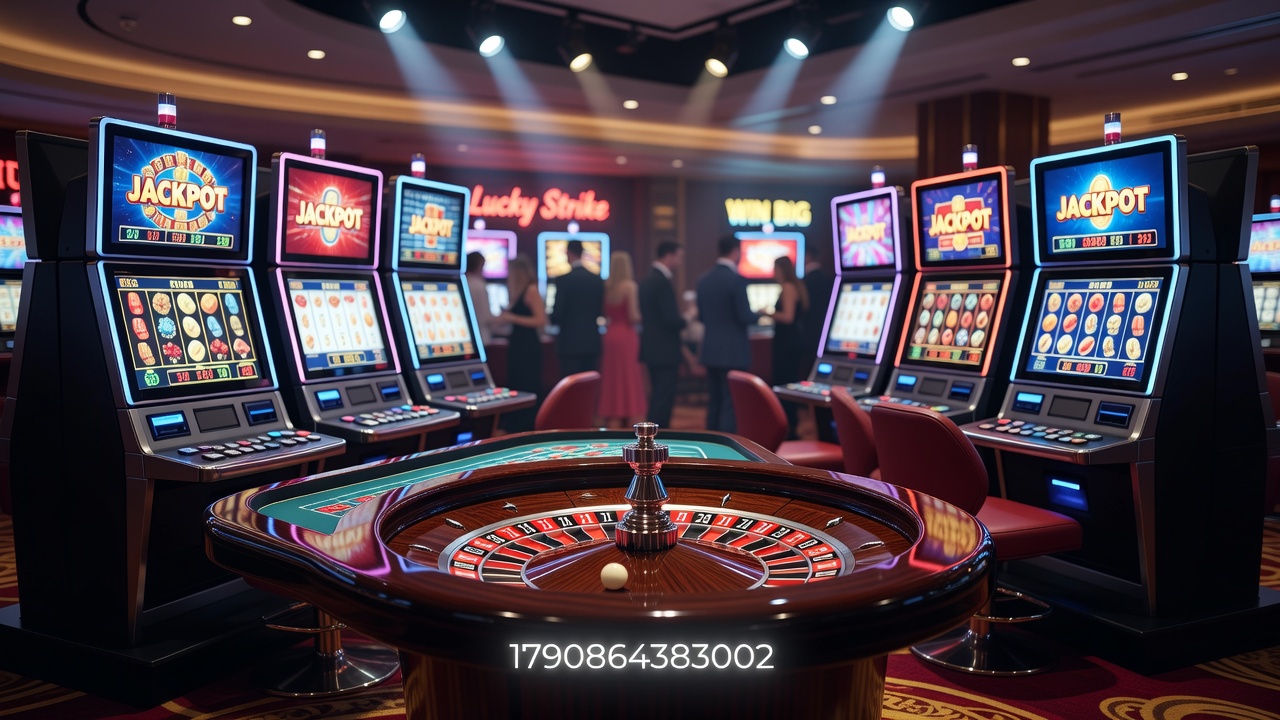
Observers note that roulette and slot machines represent two distinct yet interconnected forms of chance-based entertainment in casino environments, where physical wheels and digital reels both rely on principles of randomness to determine outcomes. European roulette features a single zero pocket while American variants incorporate both zero and double zero, producing different house edges that operators must disclose under various licensing rules. Slot machines operate through random number generators calibrated to meet jurisdictional standards, and these systems undergo regular testing to verify fairness before deployment in physical or online settings.
Core Mechanics of Roulette Gameplay
Players place bets on numbers, colors, or combinations on a betting layout that corresponds to the wheel's numbered pockets, and croupiers spin the wheel in one direction while releasing the ball in the opposite direction so that momentum and friction determine the landing point. Data from regulatory audits shows that properly maintained wheels maintain consistent randomness over thousands of spins when friction components receive scheduled maintenance. In October 2026 several North American jurisdictions updated inspection protocols for live roulette equipment to align with emerging sensor-based monitoring technologies that track wheel performance in real time.
Slot Machine Architecture and RNG Implementation
Modern slot cabinets house computer processors that generate thousands of number sequences per second, mapping those sequences to reel positions only when a player initiates a spin. Regulatory bodies require independent laboratories to certify that each game's return-to-player percentage matches published figures, and operators must retain logs that demonstrate compliance during periodic reviews. Multi-jurisdictional operators often maintain separate RNG certifications for each region because payout structures and volatility parameters can vary according to local statutes.
Regulatory Frameworks Governing Both Formats
Licensing authorities mandate that both roulette tables and slot machines undergo initial approval plus ongoing surveillance to prevent tampering or bias. In the United States the Nevada Gaming Control Board publishes quarterly reports that detail inspection outcomes for wheel-based and reel-based devices, while Australian state regulators require similar documentation through their respective gaming commissions. These records allow oversight agencies to identify patterns that might indicate mechanical wear or software anomalies before they affect player outcomes.
Integration of Loyalty Systems Across Game Types
Casino operators frequently link player tracking across roulette and slots so that accumulated play on either format contributes to tiered reward structures. Points earned from wheel spins or reel activations convert into comps or promotional credits according to formulas established in each property's marketing plan. Research from industry associations indicates that synchronized tracking systems help properties measure engagement metrics while remaining within advertising guidelines set by state and provincial regulators.
Technological Convergence in Hybrid Gaming Environments
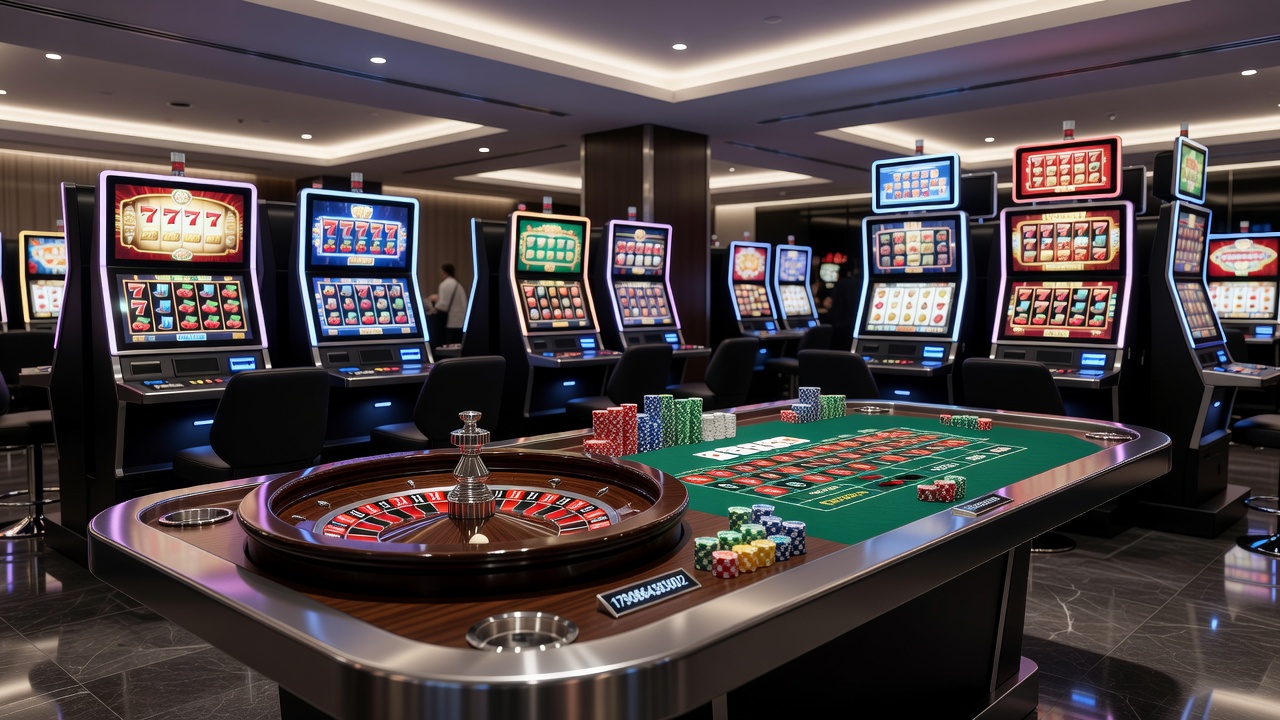
Some venues now deploy electronic roulette terminals that simulate live wheel outcomes through video feeds or central determination systems, and these terminals often sit adjacent to traditional slot banks. The same central servers that manage slot RNGs can also handle electronic roulette results when operators obtain separate approvals for table-game derivatives. In October 2026 several properties reported expanded deployment of hybrid terminals that allow players to switch between wheel-based and reel-based games without leaving a single gaming station.
Player Data and Compliance Reporting
Jurisdictions require casinos to submit aggregated data on game performance, including handle, win, and drop figures for both roulette and slots. These reports feed into broader economic impact studies that governments use when evaluating tax policies and licensing renewals. External audits conducted by certified firms verify that reported numbers align with internal system logs before submission deadlines.
Conclusion
Regulatory oversight, mechanical integrity, and certified randomization continue to define how roulette and slot machines function within legal casino markets. Operators must balance equipment maintenance, software certification, and reporting obligations to maintain licenses across multiple regions, while players encounter consistent standards that vary only according to each jurisdiction's specific statutes.